“Expect the Unexpected with Anthony Pfluke & Friends!”
featuring
Anthony Pfluke & Friends
Yes, you did miss it! Yes, they were awesome! Yes, itʻs not quite the same, but you can experience them vicariously . . . read on!
Not knowing quite what to expect, I marketed the concert with the words “Expect the Unexpected” and that is exactly what we got ...
For us on Kauaʻi, we did not know Anthony Pfluke until he was invited to share a few songs, a 20-minute gig, at Milton Lau’s annual “Kī Hōʻalu Slack Key Guitar Festival” in November, but Anthony is no stranger to his island home of Maui or to Hawaiʻi Island where he spent time matriculating in his chosen studies in ʻŌlelo Hawaiʻi.
Previously, his main music venue was ʻukelele class in the church, but when encouraged to build up his knowledge in Hawaiian language, the next day he took off to UH Hilo to do exactly that. It opened his world of music to many other influences, and he took it all in, but what he has been spitting out is totally Anthony Pfluke. He has delivered many familiar mele but arranged and delivered in completely his own style.
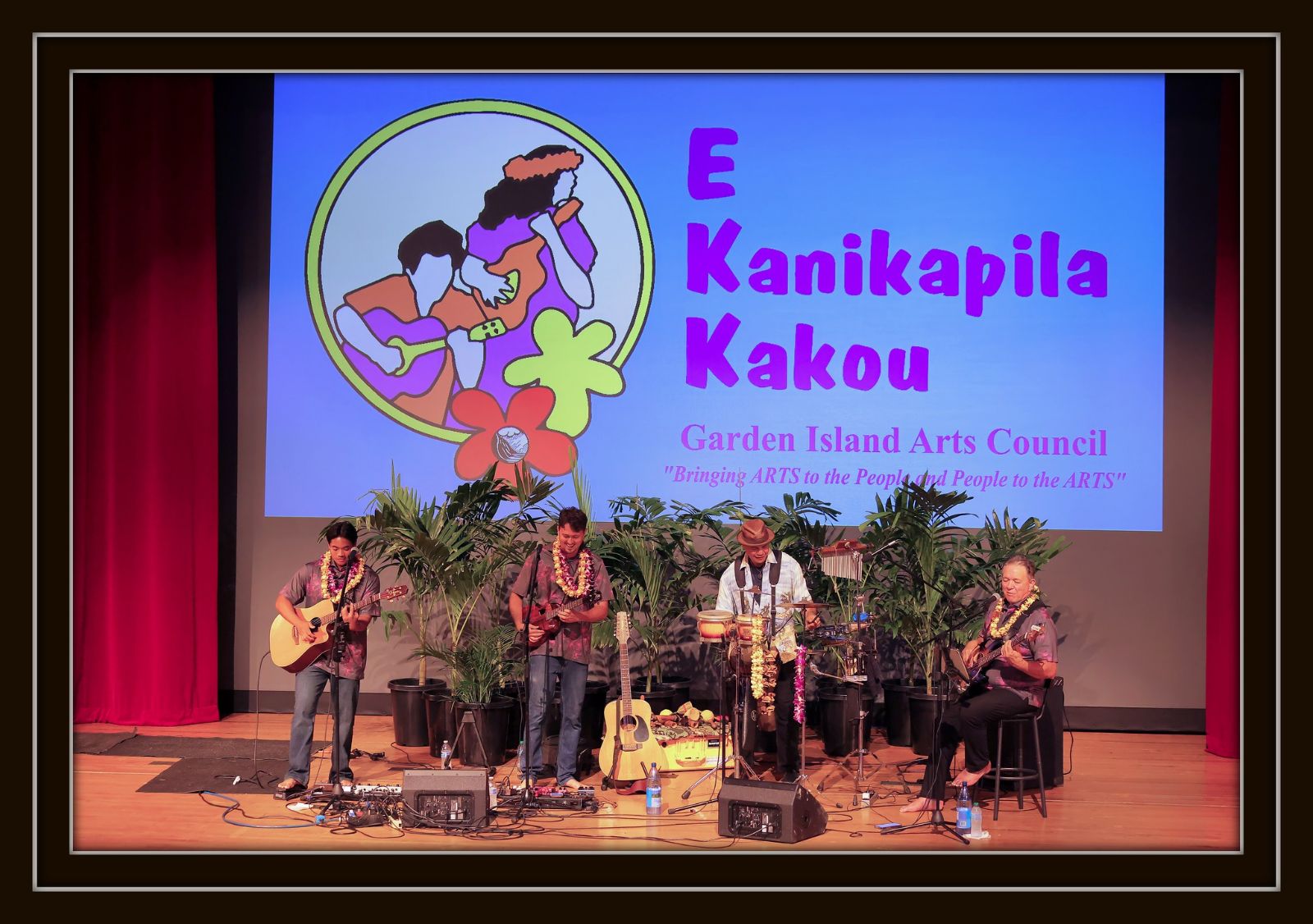
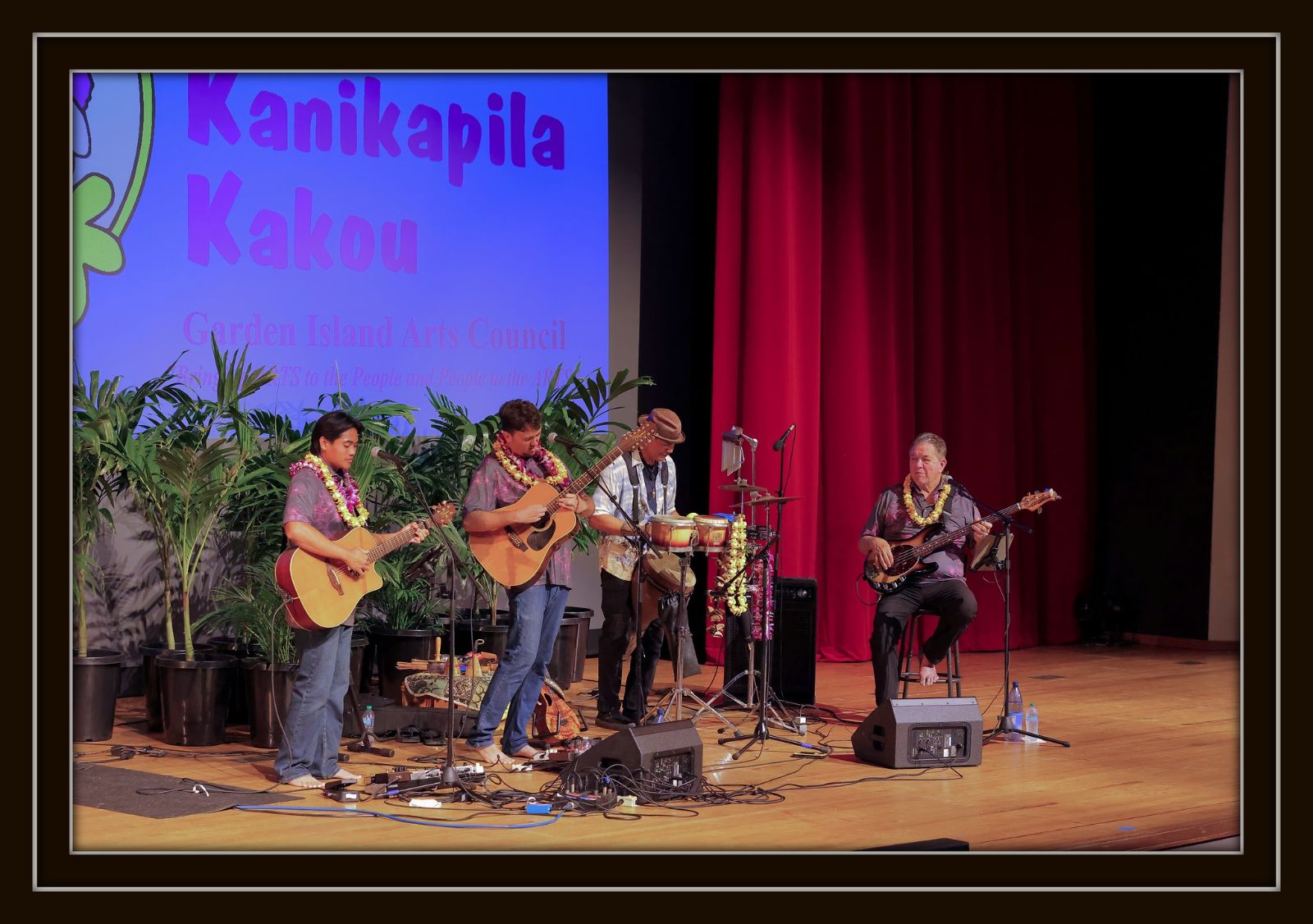
Since he decided that making music was his chosen field (with his parentsʻ blessings), he has been slowly and steadily, like a little hurricane in the Pacific waters, been building up his repertoire, his team of compatible musicians, and his rapidly escalating fan club . . . and this he brought to Kauaʻi last night to share with the EKK audience. It turned out to be the whole package deal and delivered to an enthusiastic audience of new fans. No more 20- minute gigs for Anthony.
When I first invited him to EKK, I thought, “Okay, this is a concert for the younger crowd." Little did I know that we should have rallied the local kūpuna crowd to show up to witness a very young artist who has trained himself to infuse his music with in-depth cultural awareness and a great respect for his native Hawaiian roots and to deliver his music with that same perspective. His “Anthony and Friends” team of musicians rounded out his presentation with perfection!
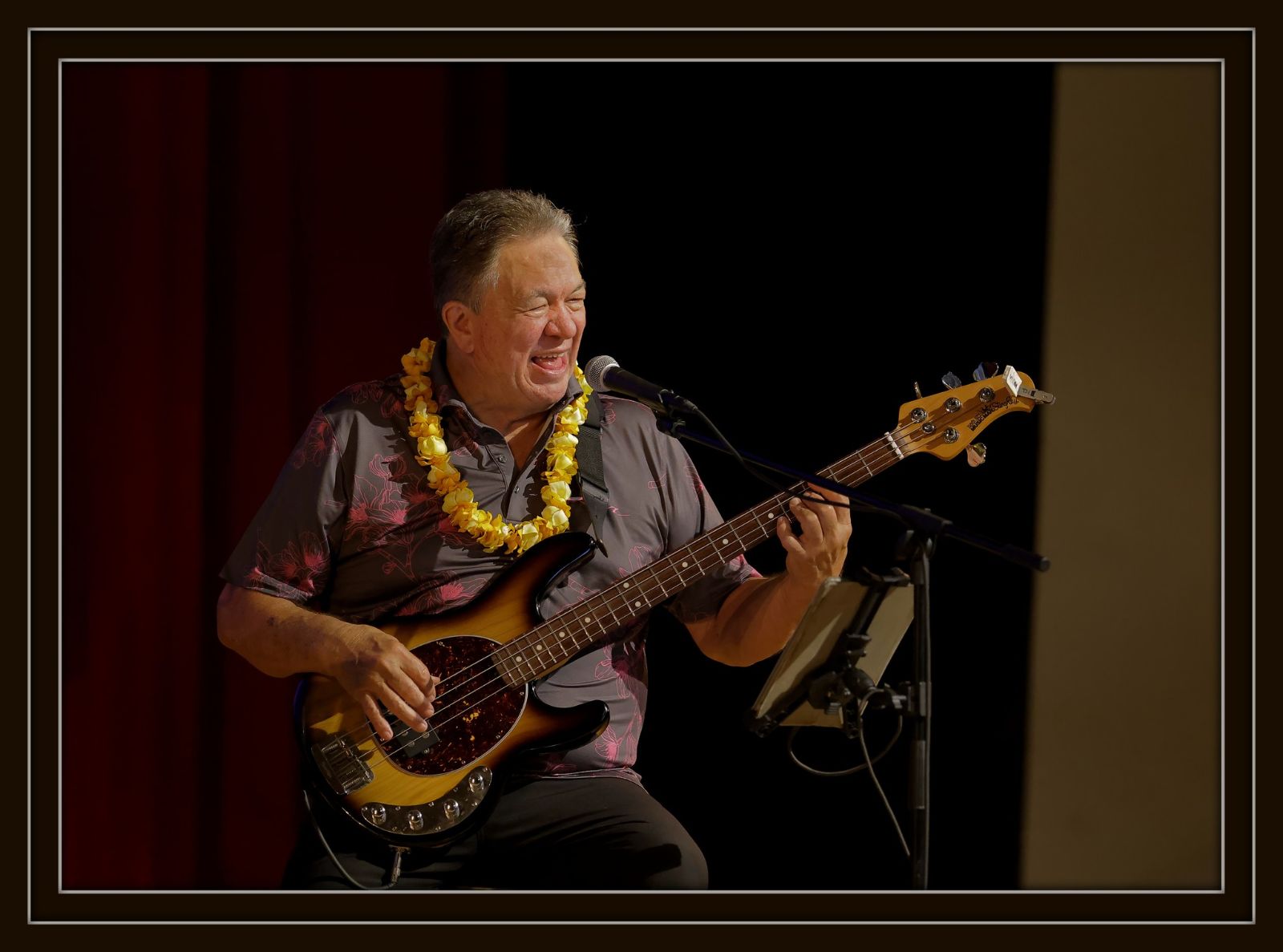
Because talking about himself was not his favorite thing to do, his bass player and charming storyteller, Tarvin Makia, shared Anthony’s background in training and growth as an artist. He was also tasked with sharing what was listed as “Tarvin’s mele” which were Song about Hawaiʻi
and Lei Pīkake.
Full of olde worlde charm, he won the hearts of the audience as soon as he stepped on the stage; he also delivered awesome skills as a bass player.
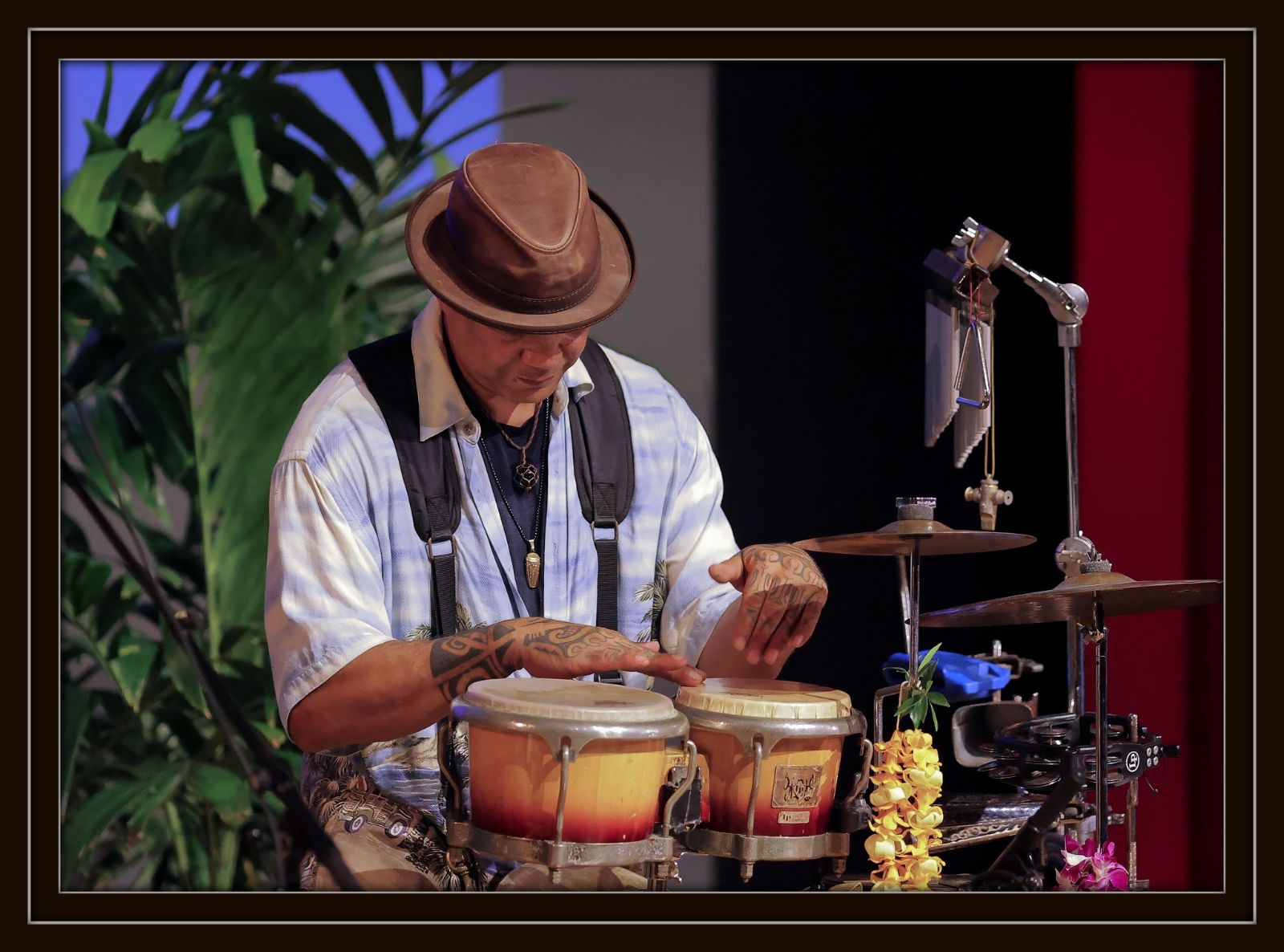
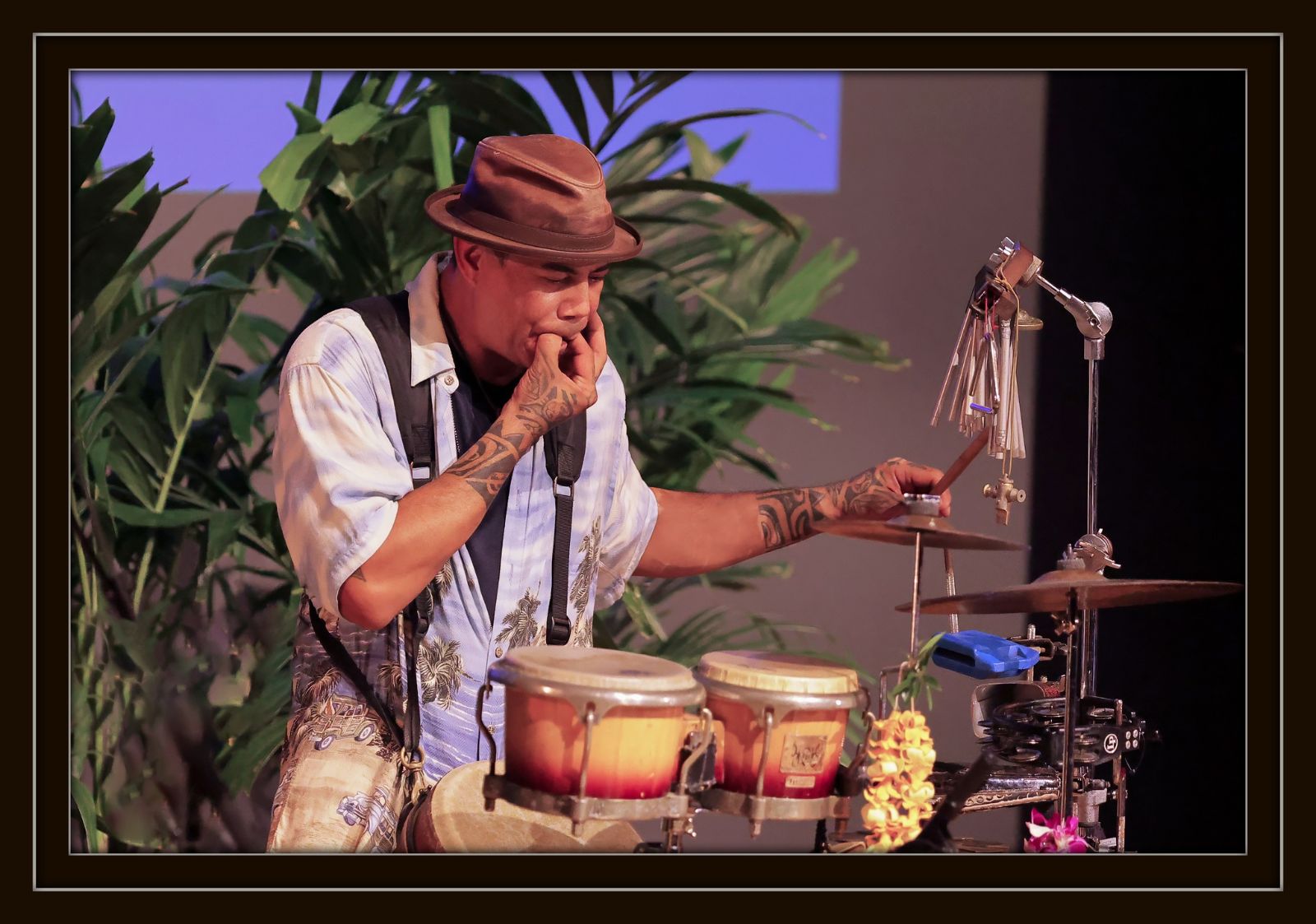
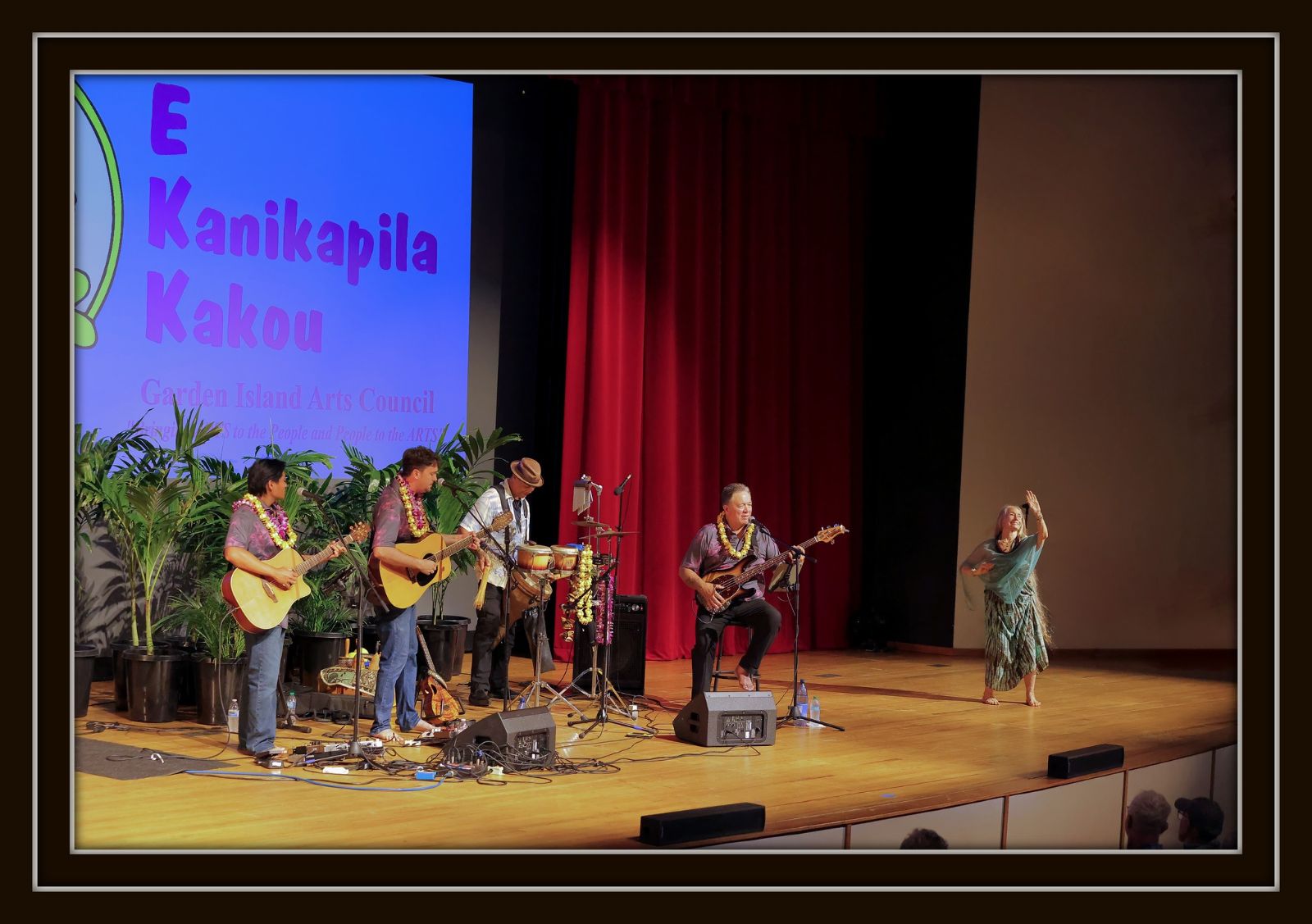
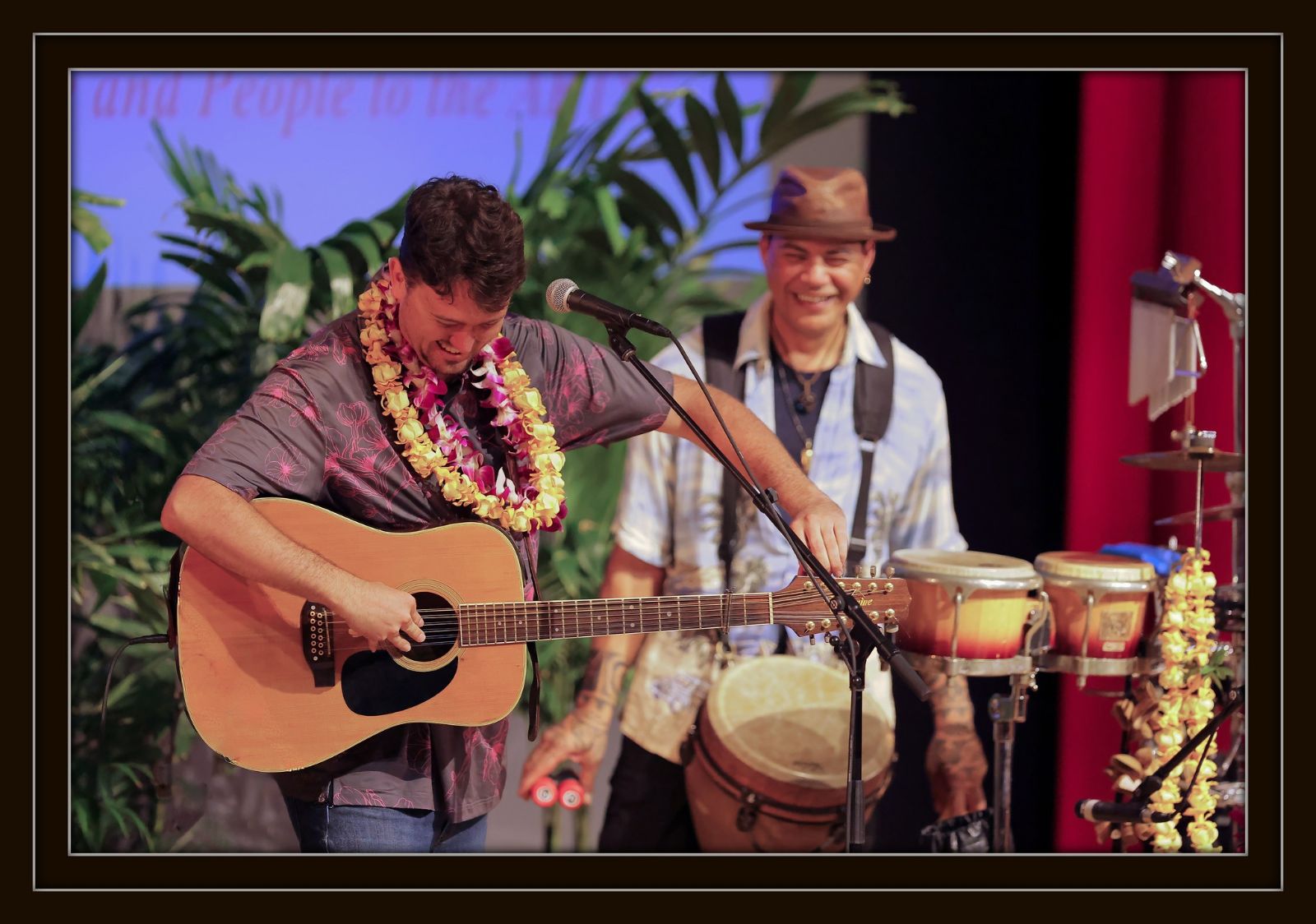
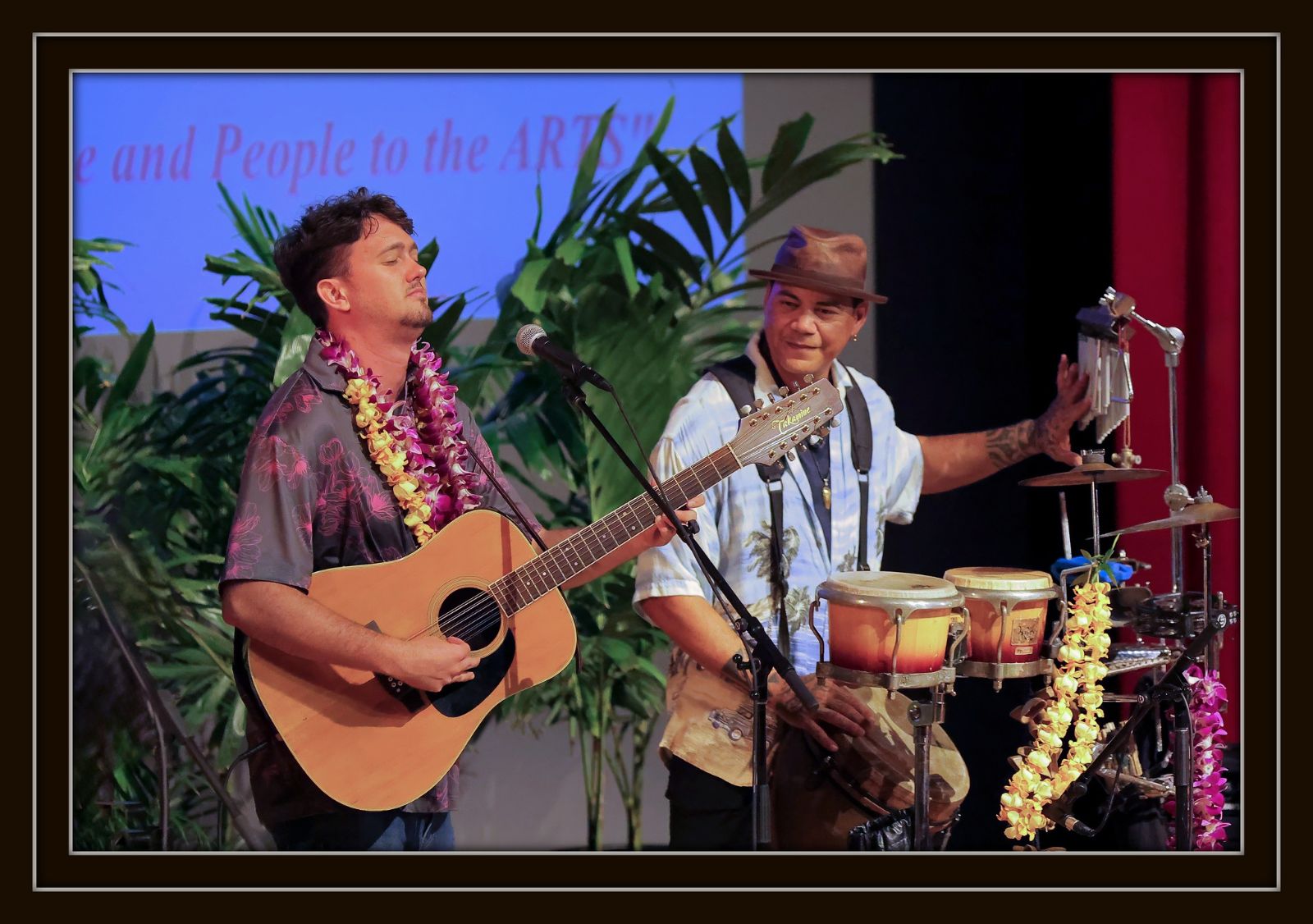
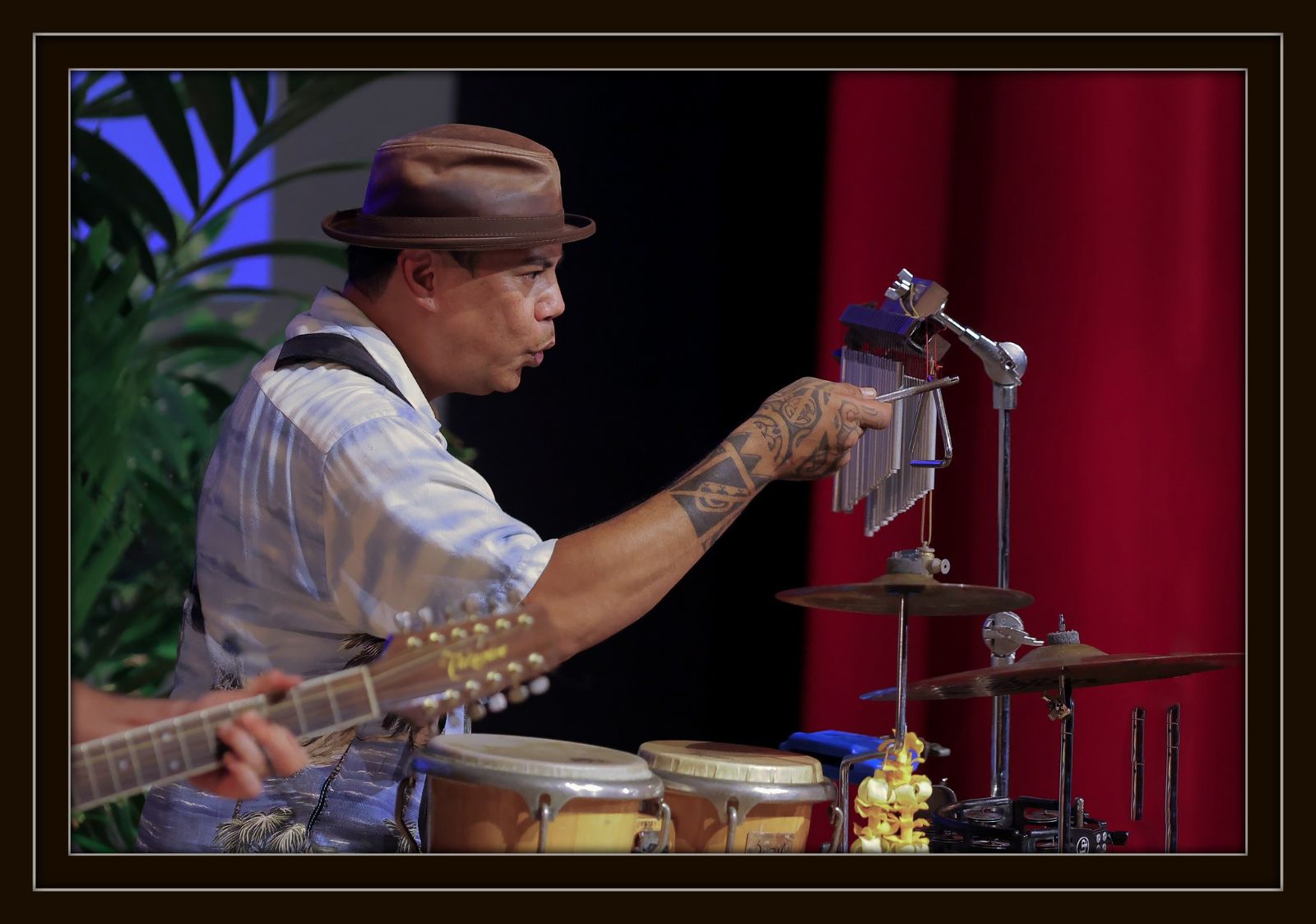
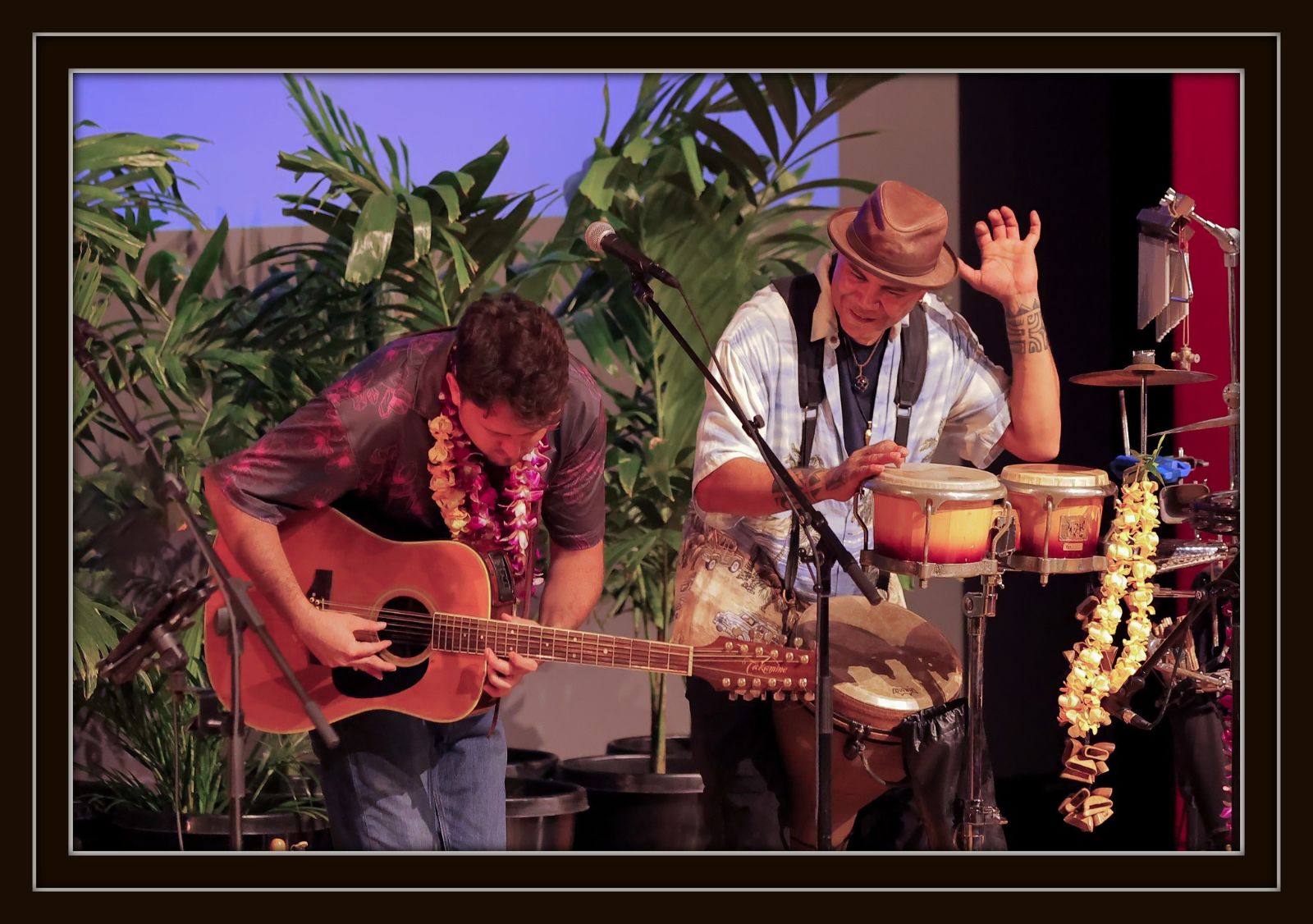
The secret weapon in his “and Friends” group turned out to the one of Hawaiʻiʻs top percussionists, Lopaka Colon, who showed up with his entire drum set packed into a rather small suitcase . . . but his sound was HUGE and transported us all into the forests of ʻĪao Valley, to the peaks of Haleakalā, under the Hawaiian waterfalls, into Reggae-land, and wherever Anthonyʻs songs sprung from. Ever in motion, he was like a dancer eliciting the giant bangs from his cymbals, keeping the beat on his djembe, and teasing the tiniest most delicate sound out of his miniature triangles; he was the most fascinating body in motion to watch.
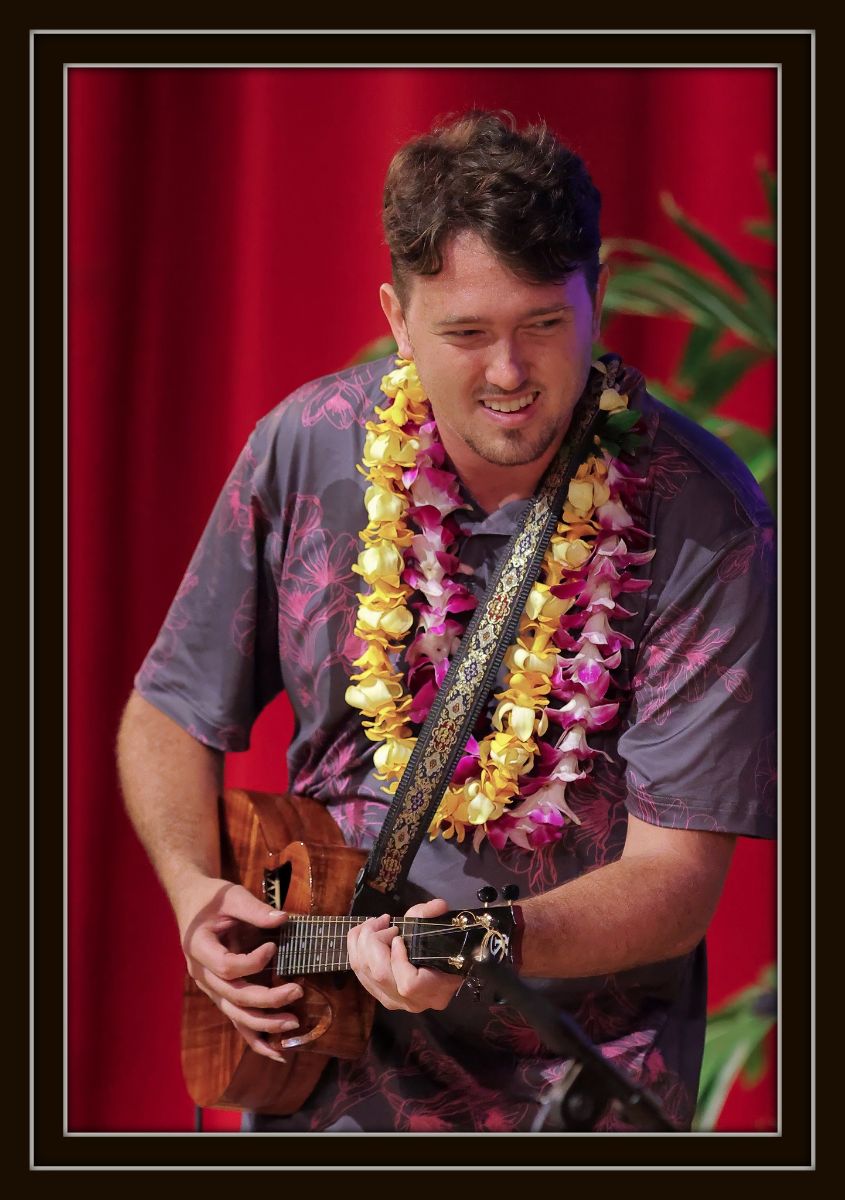
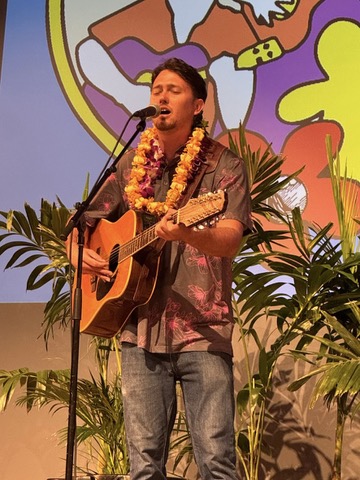
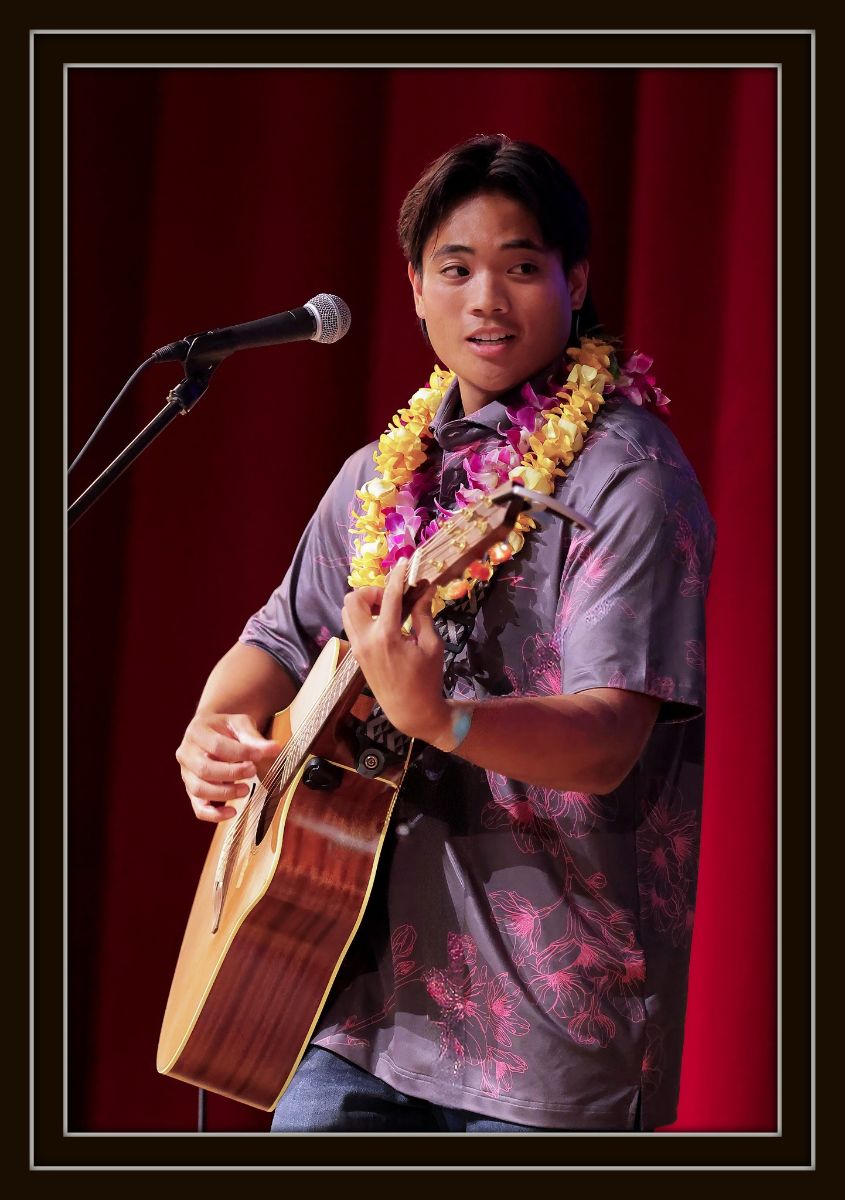
Right from the start Anthony set the stage for what was being served in tonight’s program -- who he was, what his music was -- sorry for my not having the words to describe it, but his falsetto and instrumentation was riveting and uniquely Anthony Pfluke. Anthony opened with a falsetto solo to Alfred Alohikea’s popular Pua Lilia
; that was an emotional and profound introduction of who Anthony was.
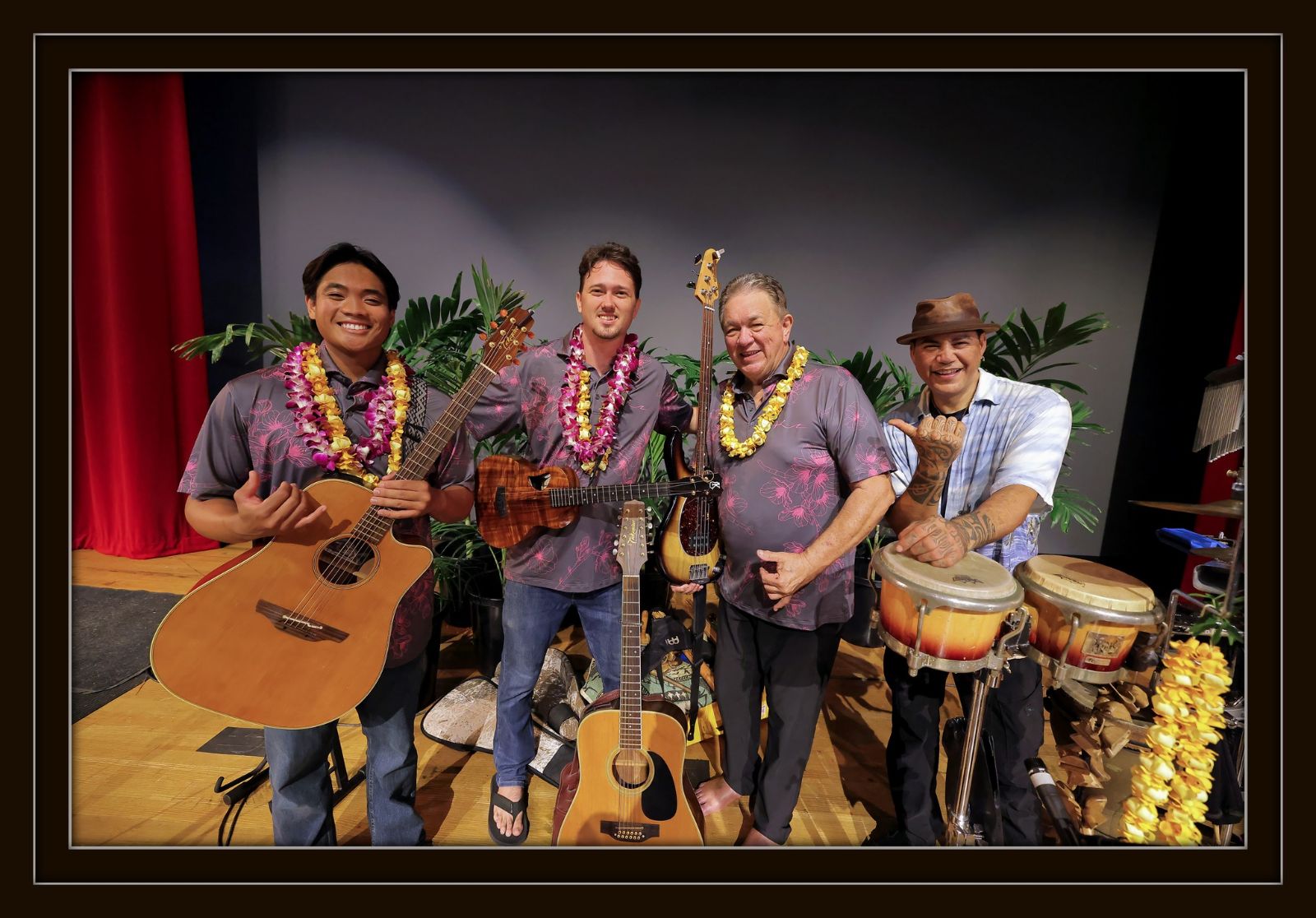
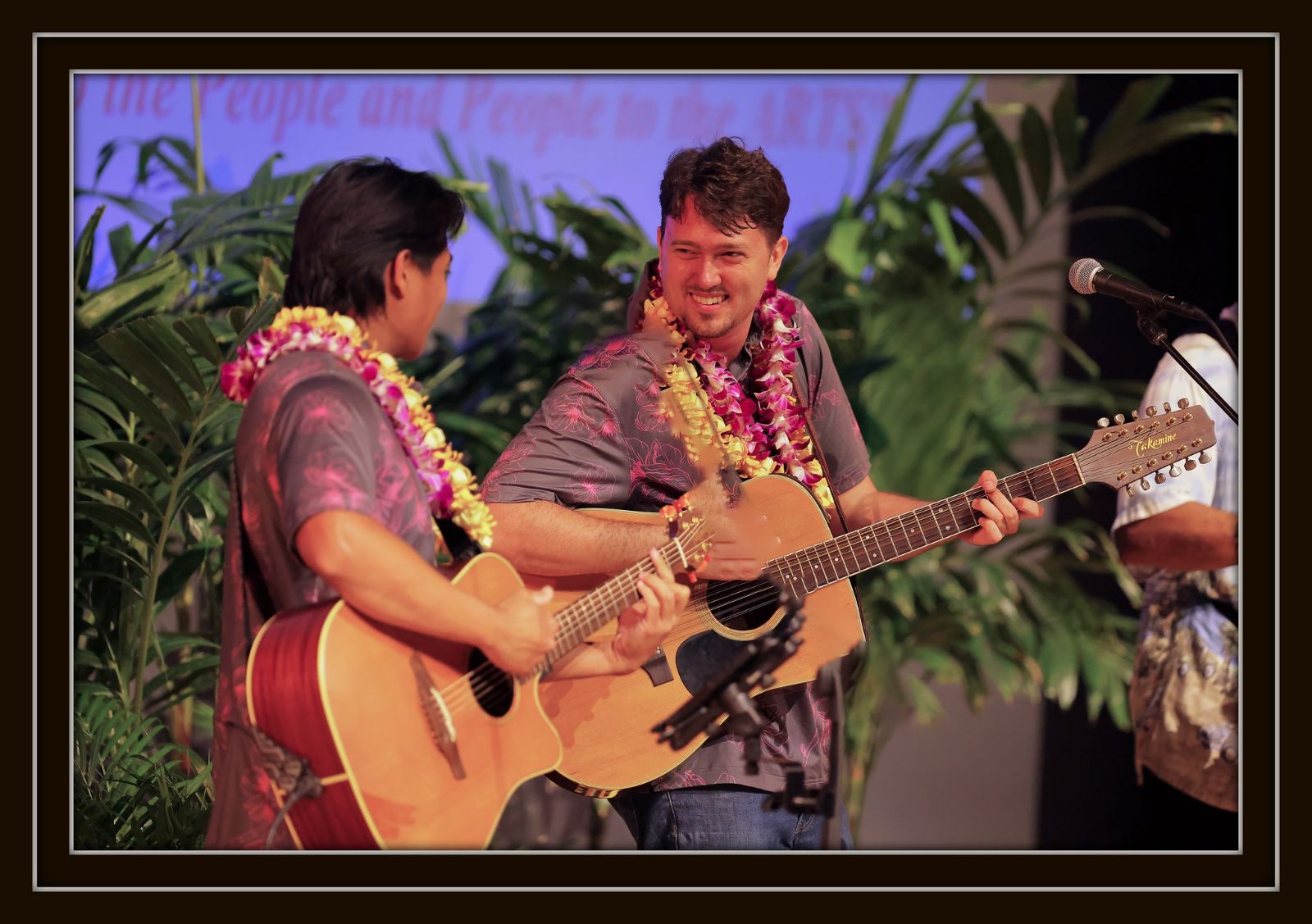
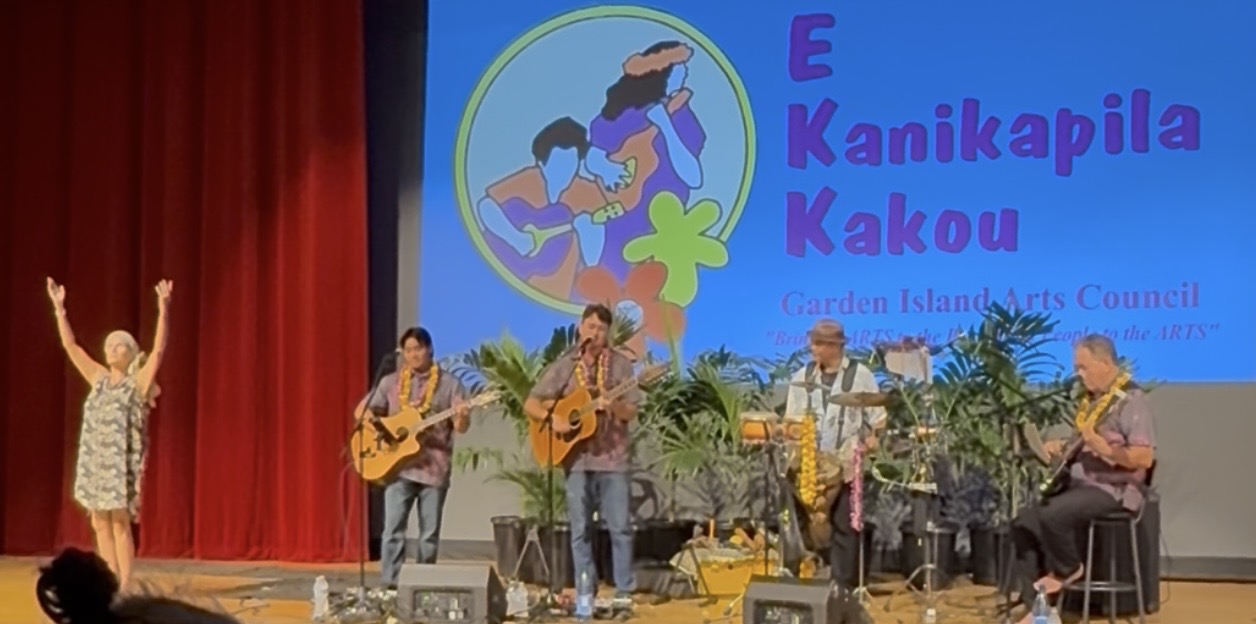
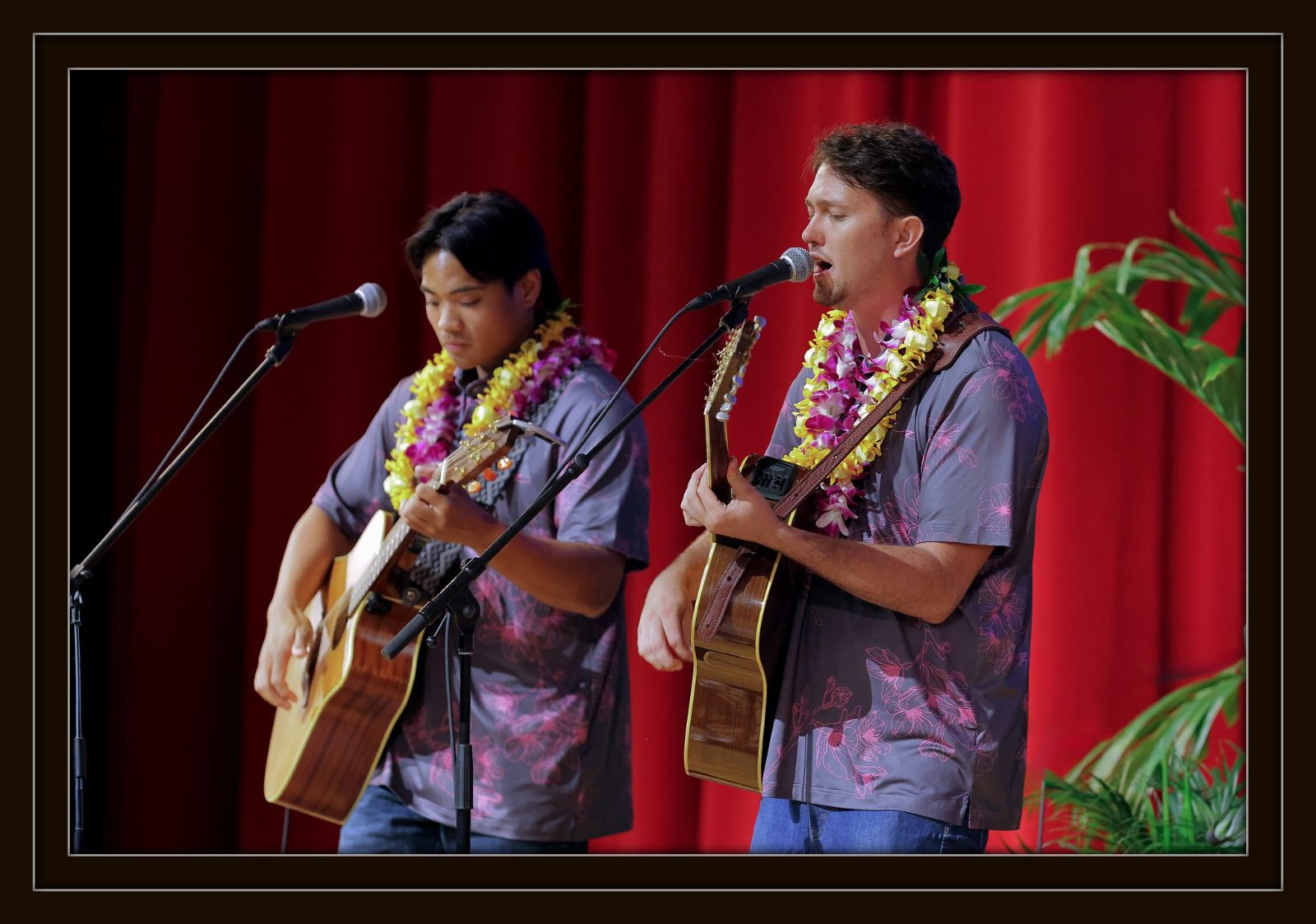
He called his friends to join him — Ethan Villanueva on guitar, Tarvin Makia on bass and Lopaka Colon on percussions. They began the concert with a medley of two songs about Maui.
E Ala Ma Luna
is a call for all to rise above about the military move to build telescopes on Haleakalā on Maui. The words are powerful and is a strong companion song to Lahaina Strong. He adds strong spoken messages in Hawaiian to the rousing percussion and lively beat sending out a powerful message
ʻĪao
a new song written for what was once a site of bloody battles between the troops of conquering aliʻi; but today itʻs still a place of peace. Introductions in Hawaiian phrases set the stage for a deeply cultural feeling about the valley that he was asked to write a song. The Hawaiian lyrics were spoken with great feeling and Lopaka’s piercing bird calls took us into the forest filled with birds. Mid-song Anthony put down his guitar and picked up his ʻukulele and, with his amazing strumming, speeded up the already fast tempo of the song.
Waiakoa
is the title track of his recent Kuʻu Lei Lokelani
CD. The first ahupuaʻa from Kīhei all the way up to Haleakala, Waiakoa is home to both Anthony and Ethan. They switched to a completely different beat as Lopaka moved to stage front, keeping the beat on the djembe, and Tarvin, happiness written all over his face, was going to town on his bass. Ethan and Tarvin carried the Hawaiian style melody while Anthony quickly switched from guitar to ʻukulele . . . itʻs one of Anthonyʻs surprising repertoire – to switch instrument on the run and switch gears on the delivery of the music. Many artists will take time to change tunings in midsong, but it’s rare to see an artist completely switching from one instrument to another in the middle of a song. The charismatic percussionist Lopaka Colon was in his element, he got the audience to join the stage-action by clapping; the audience loved to be part of the rousing music.
Let Your Love Grow
was delivered with a Jawaiian beat. He started with some lively picking on the ʻukulele with Lopaka going to town on his percussion beats and Ethan throwing in some very lively picking on his guitar – so animated! So youthful! How many sounds can that Lopaka bring out of his percussion toys? Kālai Pōhaku, where Kīhei canoe club resides, is one of two places on Maui where adzes can be found. Amazing that this is the first time they played together in one concert.
Before starting on his chosen mele, Tarvin shared some insight into Anthonyʻs early background which began by attending church regularly where he learned to play the ʻukulele. His kumu told Anthony, “if you want to be complete, you need ʻōlelo and to know what you are talking about” and the next day he was on the plane to Hawaiʻi to study for two years with Larry Kimura.
Anthony accompanied him on the guitar while Lopaka switched gears to very intimate yet colorful sounds; the bird calls were riveting . . . what a treat to watch this charismatic ever-in-motion percussionist and experience how he can change the mood of each song by his wild bangs and delicate “pings”! Appreciation from the audience was really loud and clear.
Spirits in the Wind
, the next song, was dedicated to his friend Uncle Vene Chun. It was about rainbows everywhere. Week after his friend passed, he could see about 50 rainbows everywhere. Ethan was so in sync with Anthony’s guitar playing and chant-like lyrics while Lopaka kept the beat with his castanets.
Anthonyʻs favorite class on Hawaiʻi Island was the Haku Mele class with Larry Kimura. He loved taking apart the song Hiʻilawe
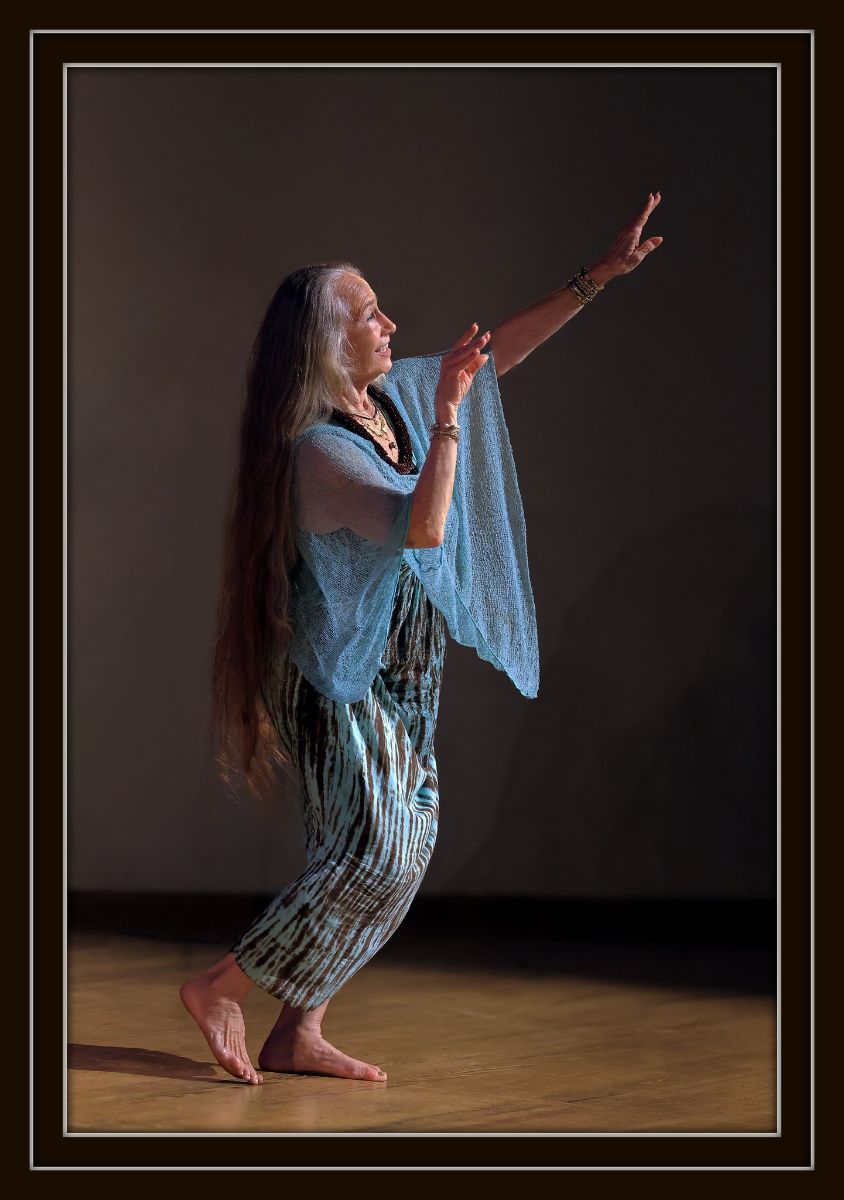
to understand the manaʻo of this song and all its hidden meaning. Anthony invited anyone who wanted to hula to step up to the stage for Hiʻilawe by Uncle Sam Liʻa. Our lovely hula dancer Pōʻai Galindo captured the story of the waterfall and its legendary star-crossed lovers – itʻs amazing how the hula is able to deliver the lyrics so poignantly.
Island Love
is a love song that speaks of a treasured relationship and describes it in terms of all the beauty that surrounds us.
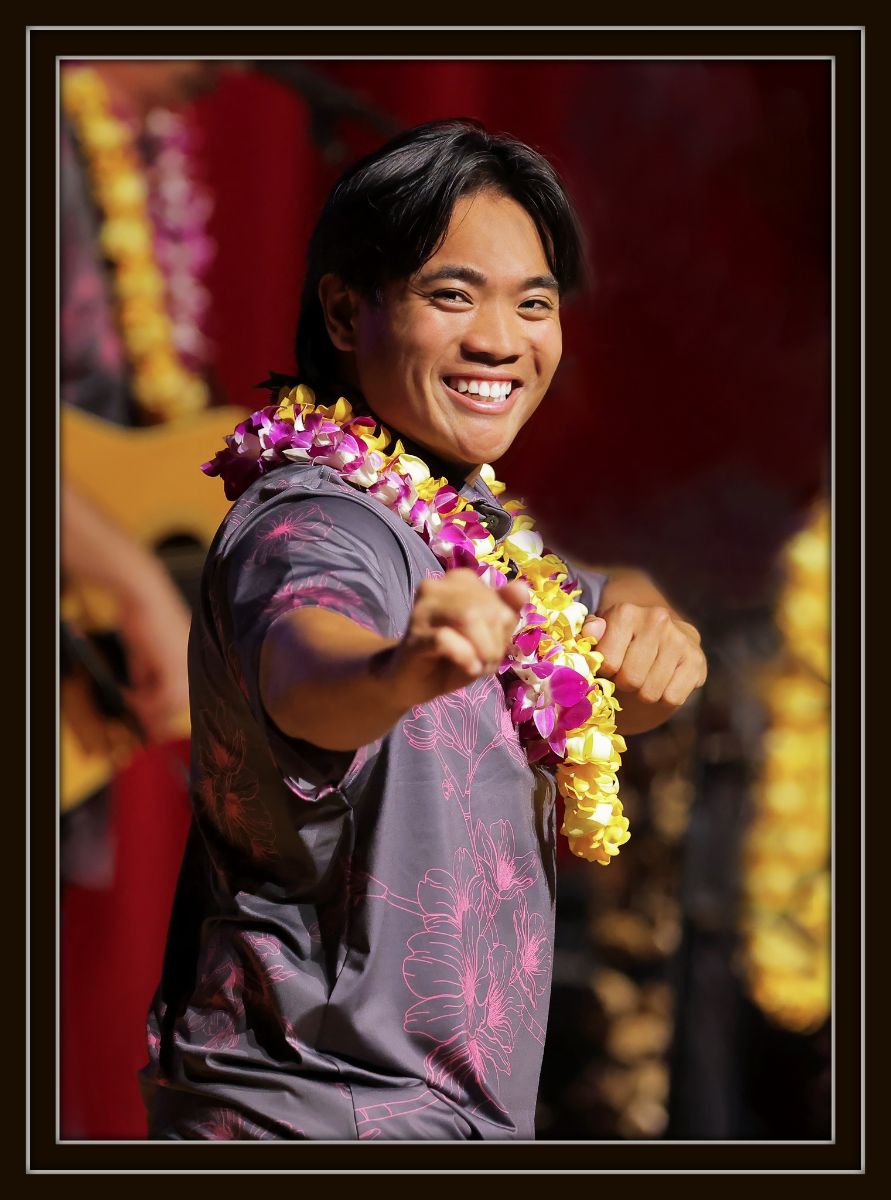
Another huge surprise is that his guitar player, young Ethan Villanueva, not only hot as a guitar player and vocalist, but when he moved to stage front to deliver his very masculine Noho Paipai
(“Rocking Chair Hula”), he absolutely had the crowd cheering and screaming hana hou. No! One hula from Ethan would not cut it for this audience!
Anthony dedicated the next hula to the late beloved Nalani Kanaka’ole whose mother Aunty Edith Kanakaʻole composed the popular song about harvesting seaweed in the ocean, Ka Uluwehi O Ke Kai
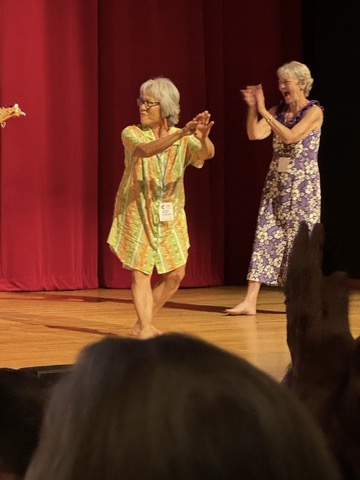
, which she dedicated to her daughter Nalani. Ethan launched into his masculine version and was joined on stage by two other feisty seaweed picking hula dancers — Elena Gillespie and Holly Nāmaka Lindsay, an EKK regular all the way from Minnesota. Audience participation at EKK is a key component to making the program so much fun, and this hula absolutely thrilled the audience. Tarvin was so impressed with Elenaʻs athleticism in her dance moves.
In his clear beautiful falsetto voice, Anthony sang Pua Līlīlehua
about the lehua flower so prevalent on Hawaiʻi island. The song was composed by Kahauanu Lake for his wife Aunty Maiki Aiu Lake and spoke of the wind and rain of Pālolo valley. The instrumentation between Anthonyʻs guitar and Lopakaʻs varied and delicate percussion sounds so perfectly created the mood of this song. The audience really loved Anthonyʻs poignant falsetto renditions . . . huge applause!
Intermission:
George won the lucky number giveaway -
As a resident of Maui, Anthony surely must have been influenced by Uncle Wilie K as he launched into the popular Willie K favorite -- You Kuʻuipo
– his voice was perfect for this song and the lively beat with the combined instrumentation was an invitation for dancing. Whenever Willie sang this song, we could not keep folks from hitting the dance floor.
Anthony shared the names of other artists who contributed to the recorded songs on his recent CD Kuʻu Lei Lokelani,
engineered by Dave Tucciarone. Among his impressive list of artists are Imua Garza, Kalaʻe Camarillo, Kamaka Camarillo, Lopaka Colon, and Barry Flanagan who played his 6-string guitar on this song -- Kaulana ʻO Haleakalā.
Over the years we have been treated to many amazing falsetto singers; all of them are mind-blowing in their abilities to hit the rafters and thrill the audience with their mastery of their tool – the voice! Anthonyʻs delivery is quite unique and unexpected.
So We Stand
is an original song that seems to be associated with the coalescing of action to preserve what is unique and precious to the perpetuation of the land. Anthony delivers this song a cappella; it gives emphasis to the significance of this song and the message that it carries. It is a call to action for the people to fight against powers that are out of control and to protect all that is precious to us as people of this precious land. For this song he chose to play his guitar in the Taro Patch tuning, a common tuning taught to him by Uncle George Kahumoku, Jr. Finishing the song with lyrics in Hawaiian gave added depth to his mele.
The buildup in the next song was deliberate for Tarvinʻs next mele – Lei Pīkake. He asked Anthony to sing with him just in case he forgot the words (that happens). Anthony started a cappella; Tarvin launched into his mele with others harmonizing. Lopaka added the drums and some of the most delicate and sensitive sounds that he eked out of his toys . . . no sound was too big or too small, but it was all there to help create the varied moods of each song. He is a master of percussion! They were rewarded with enthusiastic shouts from the fans in the audience.
Every young artist seems to have a Ledward story and Anthony shared his story of his encounter with “the master.” He also spoke fondly about his first ʻukulele teacher kumu Jarret Delos Santos who gave him a solid foundation in mastering the instrument. He confessed that he never actually went to church, but the ʻukulele lessons were held in the Green church where he never missed the lessons. All the early nurturing finally really paid off as he could continue in the music that he loved so much. A big part was his parents support and encouragement to pursue his interests.
Maunaleo
, written by Kealiʻi Reichel about a formidable peak outside of ʻĪao Valley, is the subject of the next song and was written for Kealiʻiʻs mother and his mother-in-law. He invited his own mother from the audience to come to the stage to dance the hula. Kumu Hula Noelani Forsberg, sister of his first ʻukulele teacher, was his motherʻs hula teacher.
Kuʻu Lei Lokelani
is the title of his most recent CD but also a very important song for his mission to encourage others to make a difference in this world by embracing oneʻs kuleana to do so. He incorporated some chanting verses to top off the song . . . very impressive. A truly powerful song. This was his first song so he did a single with the help of Dave Tucciarone who also engineered his most recent CD.
Starting with a high falsetto, the tempo in this song, Life in Bloom/This Light
, built up and then quieted down with Lopaka emphasizing the softness of the sound with the most delicate “pings” that he delicately coaxed out of his triangle. While the three others kept the music going, Anthony did one of his amazing switcheroo of instruments in the middle of the song which completely changed the feeling of the song. He put down his guitar with its fast-strumming and picked up his ʻukulele and switched to an even faster upbeat tempo. They were really rocking the house on their express train of music . . . amazing to watch them play and come to a super quiet ending.
Free the Wai
, clearly a song with a message to address the pressing issue of water rights and water usage which has been an ongoing problem for the people of Maui. The song is clear; it encourages everyone to band together to make this crucial change to the use of water on Maui. Music has long been a crucial part of the work of activists in their fight to right a wrong; this song fits the bill without question.
Spirits in the Wind
is a song that Lopaka Colon played with his newly formed band called “Lopaka Colonʻs Sophisticated Savages” which pays homage to Lopakaʻs deep musical lineage and the legacy of Lopakaʻs Father, the original “Lopaka Colonʻs Sophisticated Savages.”
Lopaka stated that he heard Kalaʻe Camarillo and Anthony liked to play this song so he wanted to sing this song in honor of Uncle Willie K; they played a rousing version of this song; it truly brought the house down. The audience went wild, screaming their appreciation for the powerful music.
Kū Kiaʻi Kanaloa
speaks of the story of the bombing of Kahoʻolawe which this year is the 50th year anniversary of the stopping of the bombing of Kahoʻolawe. To honor Walter Ritte and Richard Sawyer for standing firm on stopping the bombing after decades of turmoil. From the perspective of Hawaiʻiʻs cultural connections with Tahiti, there is a bluff on the Oʻahu side of Kahoʻolawe that points directly to Tahiti. The song starts with spoken words and moves into the Hawaiian lyrics that speak about Kanaloa, the God of the Ocean. The sounds are nostalgic. Lopaka is on his newest CD playing the percussions on this song.
Don’t Stop the Journey (Take it Slow)
, the next song goes back to the Jawaiian beat; the evening was filled with a variety of styles of music, each distinctive and special in its own way. There is no concert by the young for the young without the ever-popular Jawaiian beat. And yet, it was not all the same as he revealed one style after another all the way to his final hana hou tongue-twisting Hawaiian Cowboy
; it was like riding a bucking bronco on high speed and it left everyone breathless when he finally got to the end of this wild ride . . . and then sweeping the turned-on audience along on the final Hawaiʻi Aloha.
Photo credit:
Mike Teruya, Bev Montel, and Elena Gillespie
Words by Carol Kouchi Yotsuda
COMING UP...
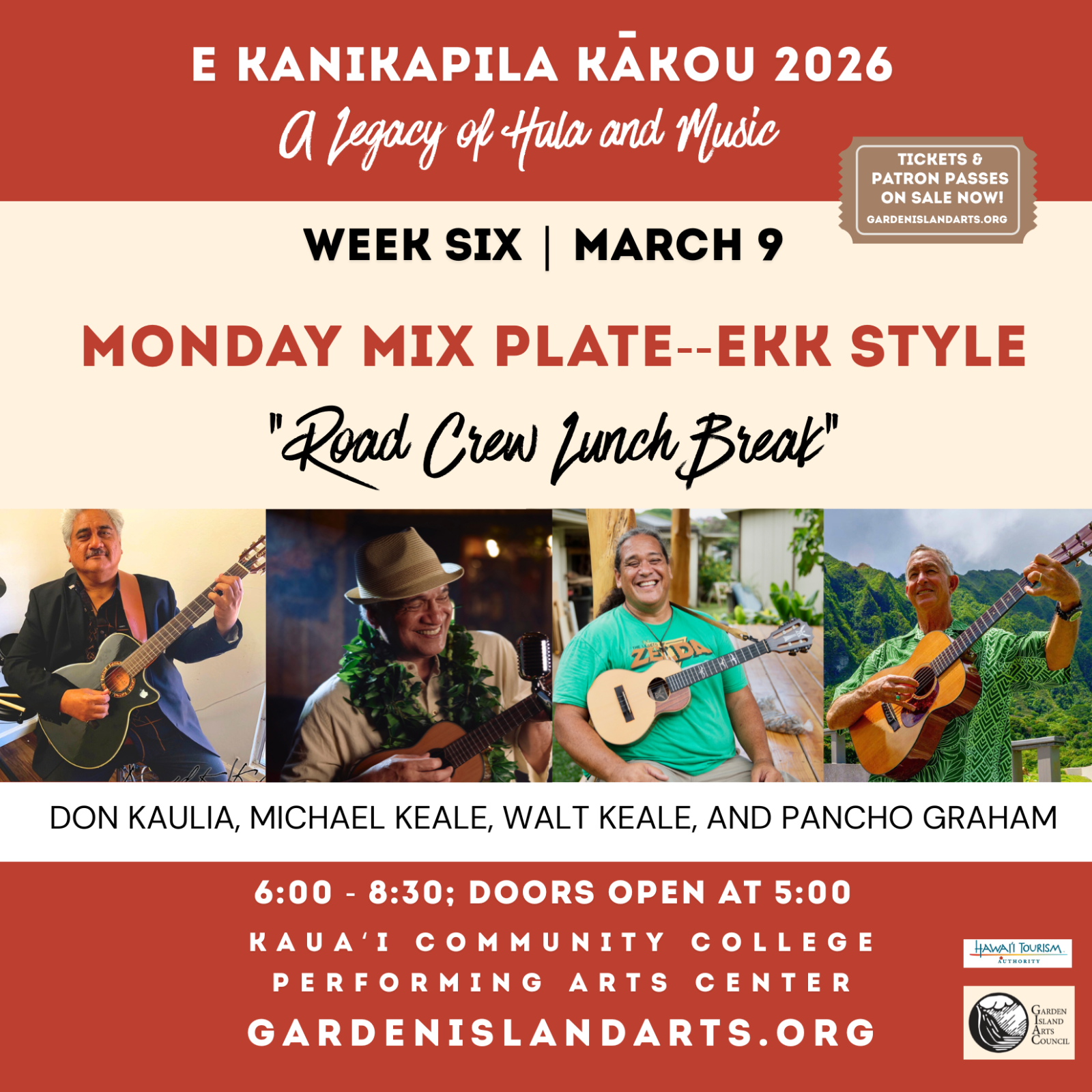
Monday | March 9th 2026
Join us for Week Six of
E Kanikapila Kākou
with
Mix Plate / EKK Style
Don Kaulia, Michael Keale, Walt Keale, and Pancho Graham
“Road Crew Lunch Break”
Join our seasoned performers as they break out their potpourri of new and timeless songs mixed with their unique and colorful local-style storytelling. Each artist brings to the plate a wealth of musical experiences.
Don, known for his unique Kaulia slack key tuning, plays a mixture of traditional and contemporary Hawaiian music, mixed with latin, reggae and vaquero stylings. He brings a lifetime of music to the table.
Michael Keale, “Most Promising Artist” and “Island Music Album of the Year” nominee at the 2011 Nā Hōkū Hanohano Awards, hails from an iconic musical family, he was greatly influenced by his Uncle “Moe” Keale. His crooner style of singing is one of his special appeals, but itʻs just the tip of his musical acumen.
Cousin Walt Keale, breaking into the Hawaiian music scene with the band Kaukahi, was also highly influenced by Uncle Moe and cousins Nalani, Skippy and “Iz” Kamakawiwoʻole, musical giants in the world of Hawaiian music. His soulful voice makes him a favorite in the world of Hawaiian music.
Singer, surfer and songwriter Pancho Graham, bass player for the slack key band Napali and the Taj Mahalʻs Hula Blues Band, is a sought-after accompanist with the Hanalei Trio, Mokihana Serenaders, and many other musical groups and solo artists.
Food Concessions by Collab Cafe
6:00–8:30 PM( Doors open at 5:00, ‘Ukulele Circle begins at 5:15)
Kauaʻi Community College Performing Arts Center
((Traffic advisory:: Pau hana traffic may be heavy for southbound drivers. For a quicker way in, guests may use the Kilohana–KCC access road. Kindly note this access is for arrival only, as the gate closes at 6:30 pm.))

(1).jpeg)
.jpg)
.png)
)%20(1080%20x%20800%20px).png)
.png)